Designing Through the Senses: Taste.
Why Flavor + Presentation Matters for Brand & Team Events.
1. A trigger from the past. A lesson for brands.
Growing up, my mom used to bring me to events hosted by a boutique jewelry store she loved.
Each new collection launch had its own energy — elegant, calm, well-paced.
But the detail I remember most wasn’t the jewelry. It was the almond cookies.
Crunchy.
Buttery.
Perfectly sweet.
Decades later, the flavor is what stayed, not the displays.
That small moment illustrates a big truth: taste can anchor an experience more powerfully than almost any other sensory cue. For brand and team events, that’s a strategic opportunity.
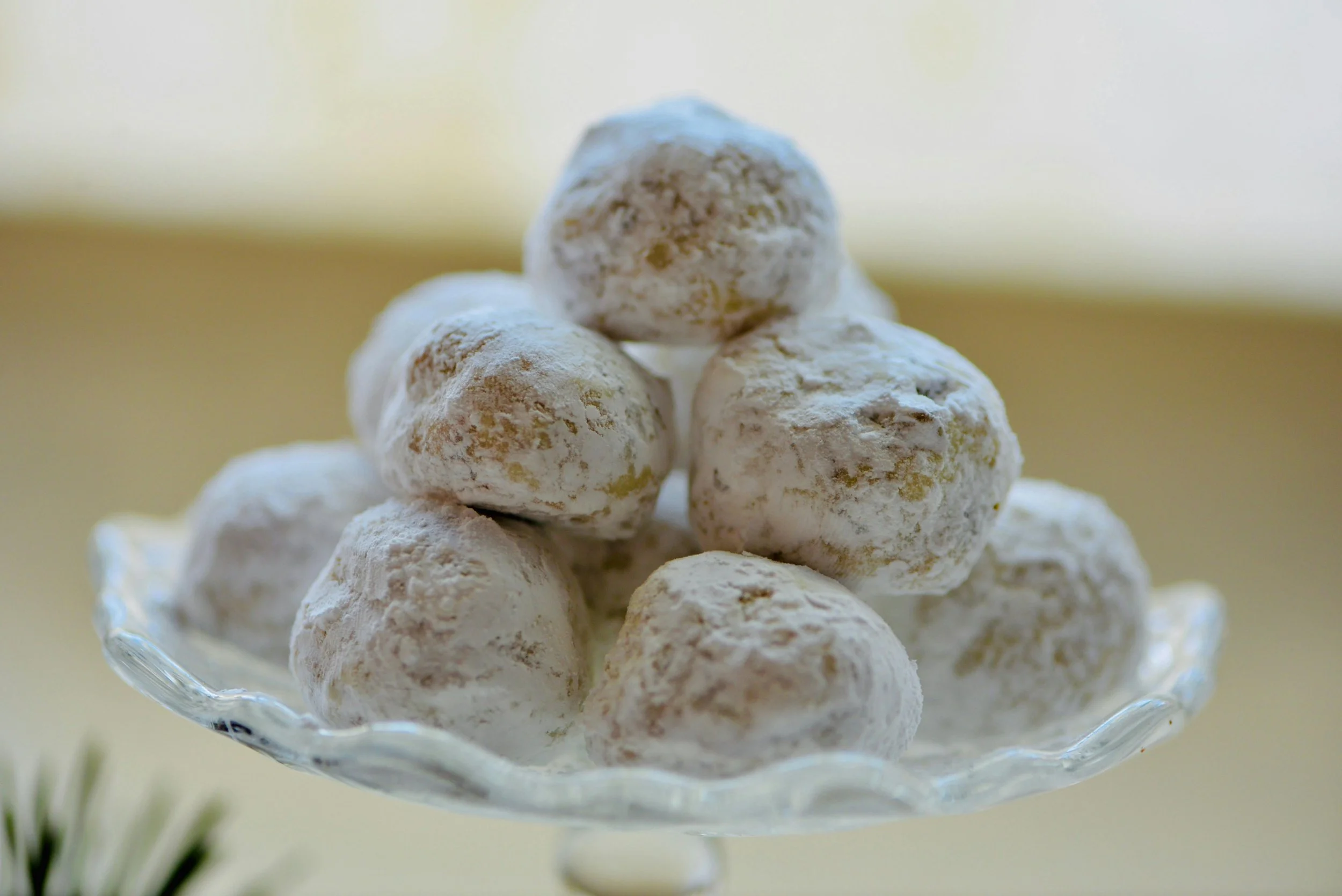
Buttery almond cookies that highlight how taste shapes memorable moments.
2. Why taste is a brand asset (not just hospitality).
In today’s experience-led landscape, taste plays a critical role in sensory branding. It shapes how people feel, how long they stay, and what they remember.
Here’s the strategic side:
Taste activates the emotional centers of the brain, creating long-term memory far stronger than visuals alone.
Shared food builds trust and connection, ideal for internal team events and client-facing experiences.
Flavors can reflect brand identity, fresh and bright, warm and comforting, bold and experimental.
When done well, food influences mood, making guests more receptive, engaged, and open.
Taste isn’t just nourishment.
It's memorable.
It's perception.
It’s brand storytelling.
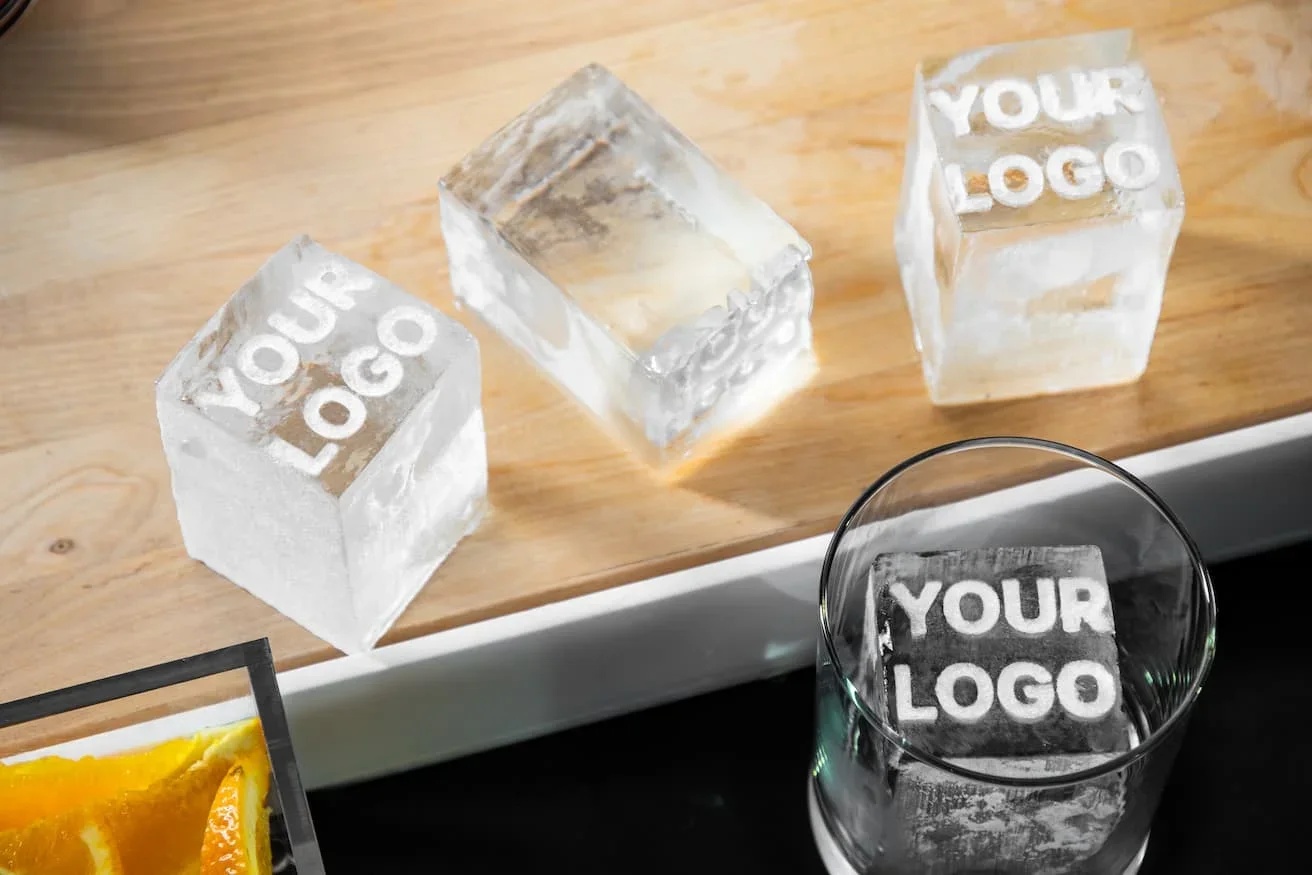
Branded ice cubes showcase the rise of customized food and beverage elements in events.
3. What’s trending in 2025, and what we’ll see even more of in 2026.
Food presentation has evolved beyond service; it’s now part of the experience design toolkit.
And the momentum isn’t slowing down. We’re already seeing signals that these trends will strengthen even further in 2026.
Here’s what’s shaping brand and team events:
• Food as art: Plating that uses height, negative space, bold color contrast, and layered textures to turn each dish into a visual statement.
Expect this trend to continue rising, with an increase in collaborations between chefs and creative directors.
• Tables as installations: Grazing tables, edible art displays, dessert walls, and tasting stations built as centerpieces, encouraging movement, conversation, and social sharing.
In 2026, we’ll see more crossovers where food becomes part of the event’s scenography.
• Branded food experiences: Custom-colored pastries, logo-embossed desserts, themed mocktails, and plating that reflects brand values.
As brands lean further into sensory identity, this form of edible branding will become even more common.
• Presentation built for the camera: Guests naturally photograph what surprises them. Social-media-friendly plating, bright colors, clean lines, and intentional textures extend an event’s reach far beyond the room.
Expect 2026 to bring more “social-first” culinary design.
And while these trends can be bold, the principle holds at any scale: Even simple food, presented thoughtfully, feels elevated.
It’s the intention that creates memorability, not extravagance.
4. When taste is neglected, impact drops.
If taste and presentation have become strategic tools, neglecting them has consequences.
Unconsidered or generic food often results in:
Flat or forgettable experiences.
Lower emotional engagement.
Less conversation and reduced connection.
A brand impression that feels misaligned or underwhelming.
Fewer moments worth sharing (and therefore less organic reach).
And research shows that when attendees are distracted or unimpressed, their sensory perception drops, meaning they literally taste less — and remember less.
Brands invest heavily in visuals, speakers, and messaging. But without a sensory anchor, the event’s emotional impact can disappear within a day.
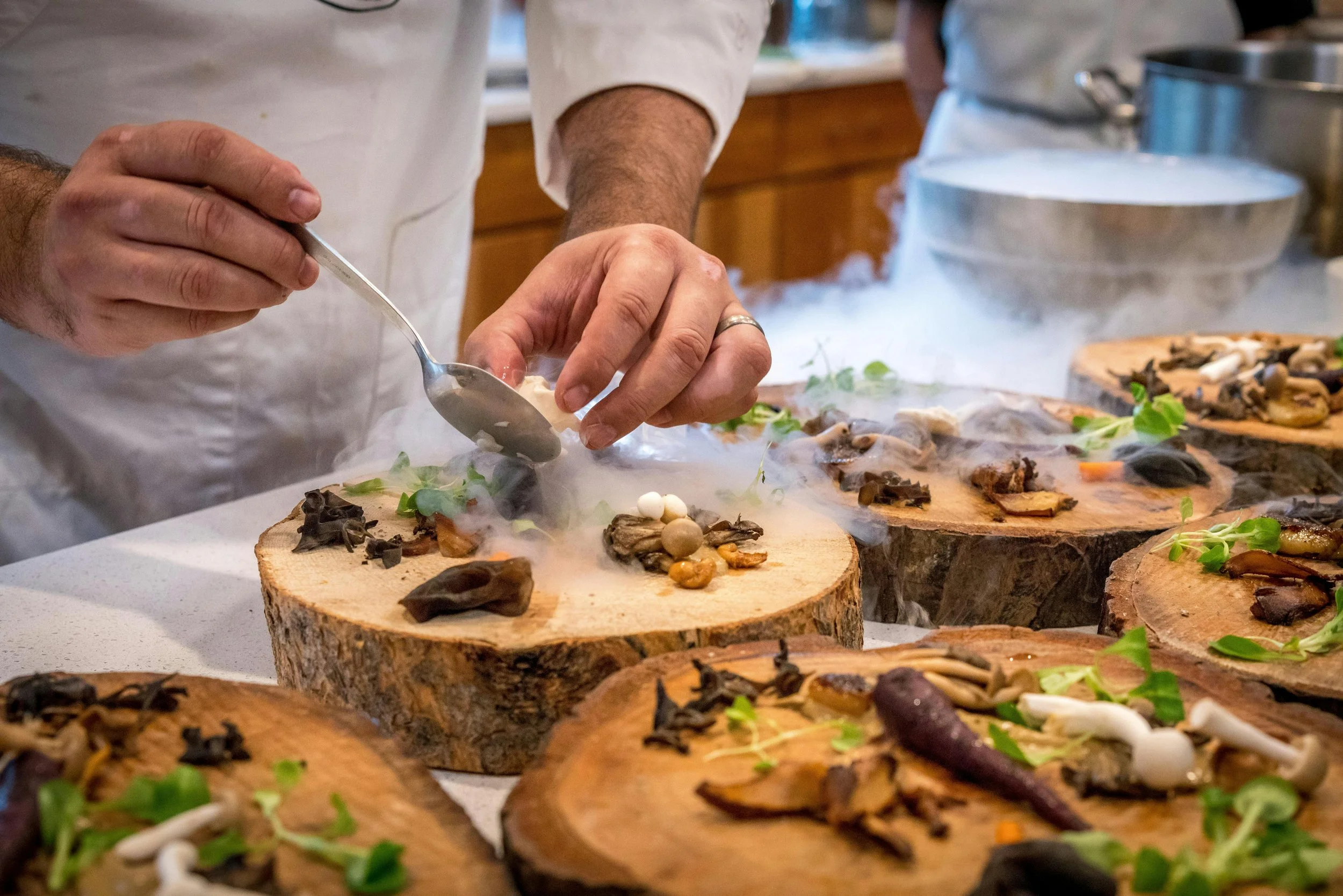
Artistic food plating with smoke and natural textures, showing how presentation enhances the event experience.
5. Designing taste as a strategic moment.
At Vita, we approach taste as part of the overall event arc — a moment designed to support the purpose, mood, and message.
Here’s how brands and teams can do the same:
• Align the food with the brand identity: let flavors, textures, and presentation reflect the values and tone of the event.
• Use plating & presentation intentionally: from clean minimalist plates to sculptural presentations, plating becomes part of the brand’s visual language.
• Treat the table as a stage: curated setups, from shared plates to activations, encourage movement, connection, and curiosity.
• Prioritize function and inclusion: delicious, well-paced, accessible food builds trust. Clear labeling, dietary options, and easy-to-enjoy formats make everyone feel considered.
• Design for two audiences: the room & the camera: a beautiful bite photographed by a guest becomes advocacy. Thoughtful presentation increases the chance your event travels beyond the room.
• Make taste part of the narrative arc: welcome bites, shared dishes, closing sweets — each can support the story you want your audience to take home.
This is where our hospitality-led, sensory-first approach shines: Taste becomes intentional, aligned, and human, not accidental.
Conclusion.
Taste has become one of the most effective tools for building connection, shaping perception, and embedding brand memories long after an event ends.
With artful presentation and thoughtful strategy, food becomes more than a detail; it becomes part of the brand.
If you’re planning a launch, a retreat, a team event, or a client activation and want the food to work as a brand asset rather than an afterthought, let’s connect and design your “taste moment” together.
