The Art of Diplomacy: What Community Building and Event Design Have in Common.
The best community managers and the best event producers share a skill most job descriptions don't list: diplomacy. Not the formal kind. The kind that happens in a side conversation, a vendor call that's gone sideways, or a routine check-in that turns into something you weren't expecting.
When someone hands you their vision, their guests, their reputation, what they want people to walk away feeling, they're trusting you with more than logistics. What they need is someone who knows how to hold that trust even when things get complicated behind the scenes. That's true whether you're running a cohort of founders or designing an evening for a client who's been planning it for months.

Tension in the room doesn't always look like conflict. Sometimes it looks like this, two people holding their ground, each with something to prove. The real work is knowing when to compete and when to find the version where nobody has to lose.
When a Routine Check-In Reveals More Than You Expected
About a month into running a cohort-based accelerator, I was doing what I always did: scheduling one-on-one check-ins with each participant. Not to go over progress reports. Just to stay close to how people were actually doing.
One of those conversations caught me off guard. A participant and her assigned coach hadn't had a single session. Not one. Four weeks in. According to her, the coach kept canceling the sessions.
When I went to speak with the coach, I got a completely different story. It was a personality issue, she said. The participant was the one creating the friction.
Two people. Two completely different accounts. A contract with the coach on one side, a participant who needed support on the other, and a program to protect.
The Same Skill, A Different Context
Here's the thing: the structure was in place. There was a contract, a schedule, clear expectations on both sides. Everything was set up correctly. But structures only go so far. People bring things into a working relationship that no system can fully anticipate. Communication styles, unspoken expectations, dynamics that only surface once you're actually in it.
That's when diplomacy comes in. Not to fix a broken structure or the relationship, but to handle what even a good structure can't account for. Understanding the needs that come up. Reading what's actually happening between two people. And finding a path forward that works for everyone involved. In this case, I moved the participant to a different coach and split the original coach's hours across other participants she was already working with effectively. Nobody lost their contract. The participant got what she needed and ended up being one of the strongest in the cohort.
This is something I think about in everything I build. The environment you create shapes how people feel. How people feel shapes how they behave. How they behave shapes what actually happens in the room, and in the program. Diplomacy is part of that design. It's how you manage the conditions so the people inside them never have to feel the friction you're carrying.
The same principle shows up in every experience I produce through Vita Curated. I work with clients who arrive with a clear vision and a vendor network that doesn't always move at the same pace. Part of my job is building those vendor relationships before a client ever needs them, so that when something shifts, and something always shifts, I have real equity to work with.
I had a client whose key vendor pushed back hard in the final days before her event. There was a scope change that hadn't been fully formalized, and both sides felt justified in their position. My client was stressed. The vendor was frustrated. I was in the middle with a narrow window and a setup deadline that wasn't moving.
I didn't go in asking for a favor. I went in knowing what the vendor needed to feel respected, what my client genuinely couldn't compromise on, and where there was room to move. We found a version that worked. The event came together. The vendor relationship held. My client experienced none of the friction.
That kind of navigation only works if you've been tending to those relationships before the moment required anything. The florist who trusts you will stretch when you're in a bind. The chef who feels seen will stay past the agreed time if something goes wrong. That's not luck — it's relational infrastructure. Built quietly, over time, and worth every bit of it when the pressure arrives.

Every negotiation, every vendor call, every hard conversation ends somewhere. The goal is always to end here, with the relationship intact and both sides feeling like the outcome was worth it.
In both cases, it is about the relationships you built before the moment required anything. That's diplomacy. Not confronting the conflict head-on, but navigating the tension between competing needs in a way that preserves both the outcome and the relationship.
Whether you are building a community or a network of trusted partners, the work starts long before the hard moments arrive. In a market like Miami, where business runs on relationships and trust travels fast, that foundation is everything.
Three Things Diplomacy Actually Requires
Understand the situation before you try to change it. The participant said one thing. The coach said another. Before I moved anyone, I had to understand both sides well enough to know which path would actually work. In event design, this looks like knowing what a vendor can realistically deliver before you commit your client to something that creates an impossible task.
Hold both sides without collapsing to one. The instinct when there's conflict is to pick a side. Diplomacy means holding both needs long enough to find the solution that doesn't sacrifice either. The participant needed a coach who showed up. The coach needed her contract honored. I found the version where both were true. It works the same way with a vendor and a client.
Carry the friction so the room doesn't have to. The rest of the cohort and coaches never knew there was a conflict. The guests at a dinner never know a vendor pushed back on the timeline. That invisibility is the job. What you're managing behind the scenes should never become the experience of the people in the room.
This is the work behind every experience I design at Vita Curated. The diplomacy is invisible. The outcome is not.
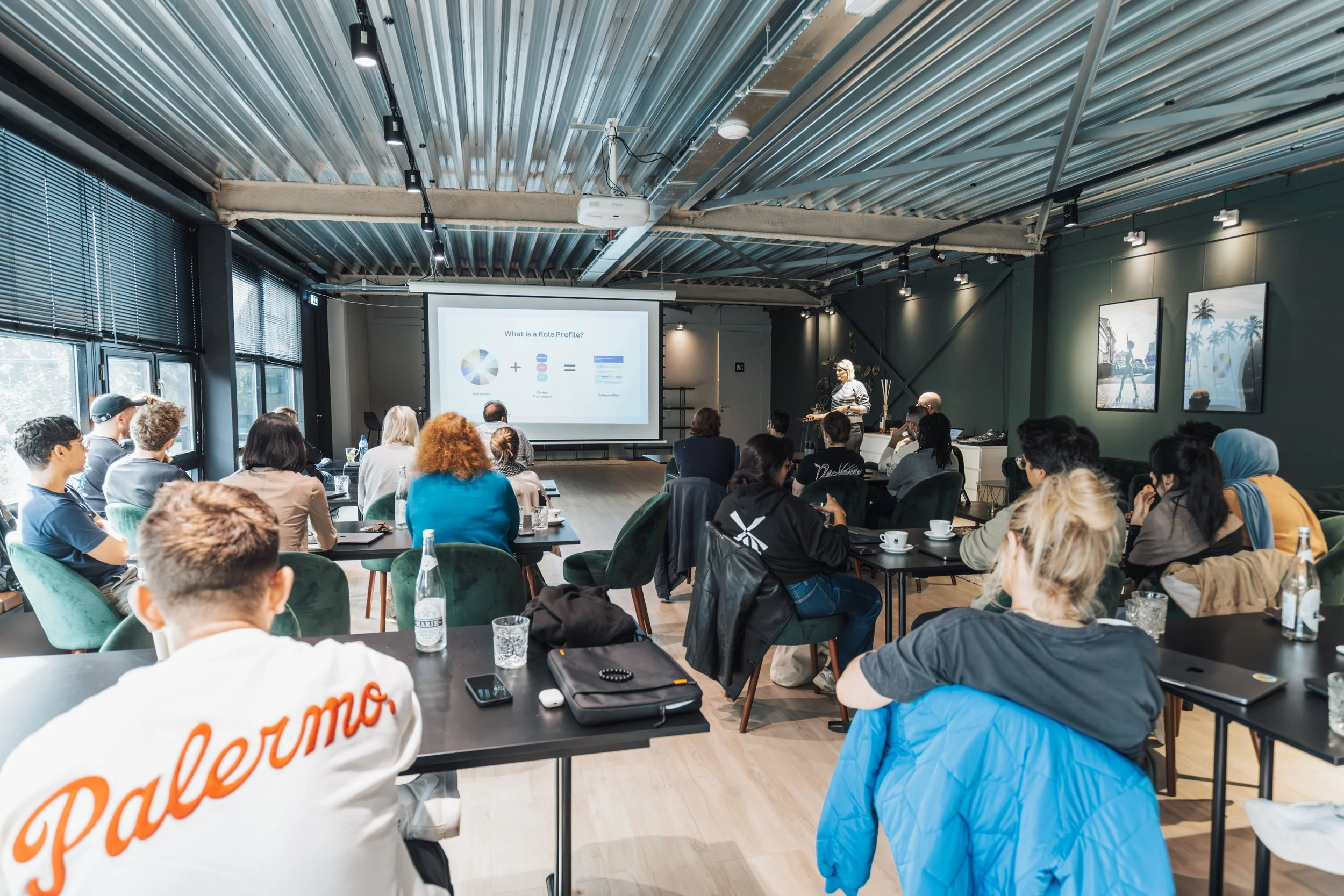
The environment you create shapes everything that happens inside it. Get that right, and the rest follows.
ABOUT VITA CURATED
Vita Curated designs relationship-driven experiences for founders, investors, and leadership teams who value meaningful connections.
Based in Miami and working internationally, Vita Curated helps hosts create environments where the right conversations and the right relationships can take place.
Many leaders host. A few design with a clear strategy.
